Ecuador sits on the equator, so “summer” is the wrong word. Elevation and ocean currents do the work that latitude does not.
Sierra
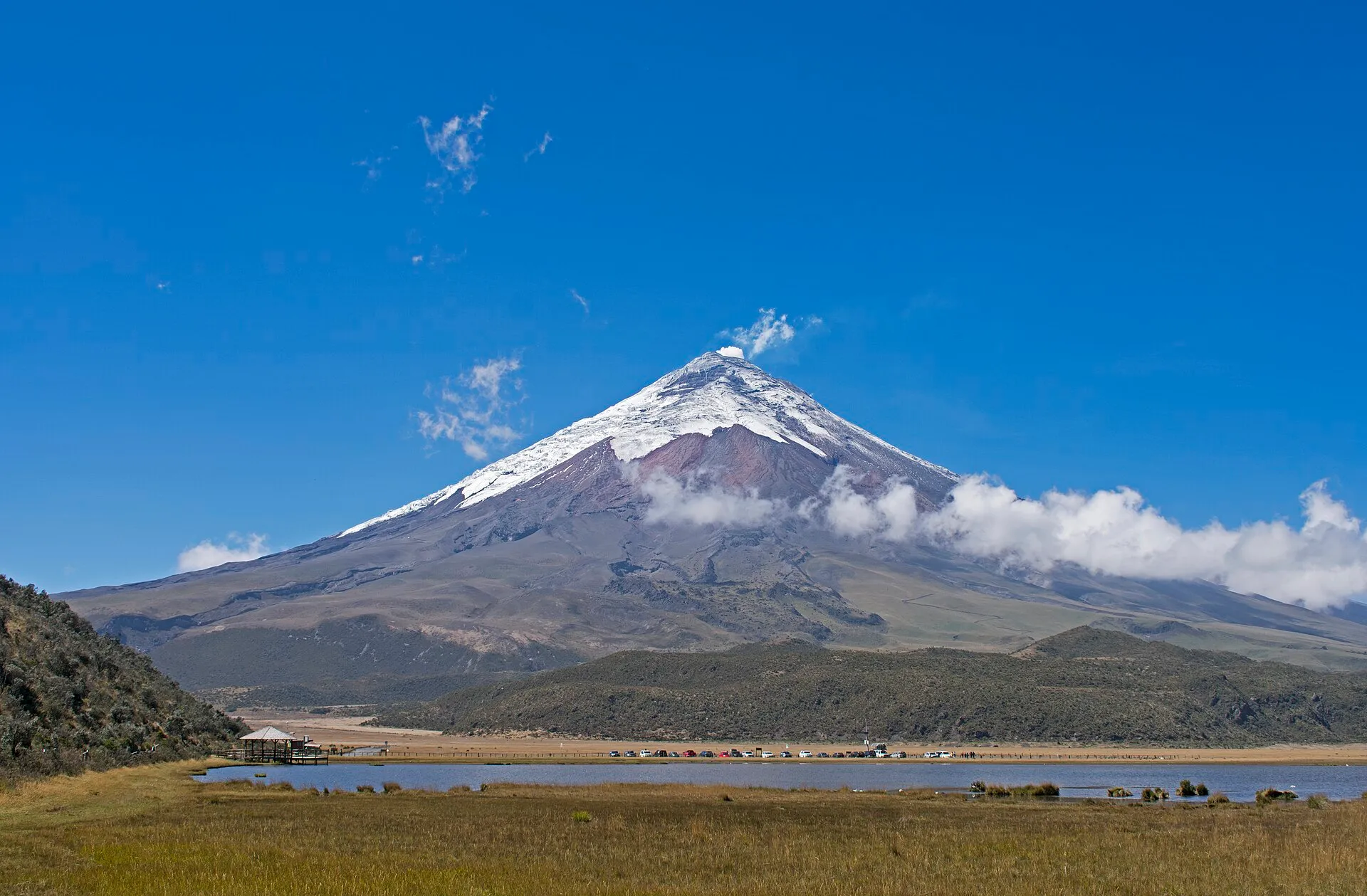
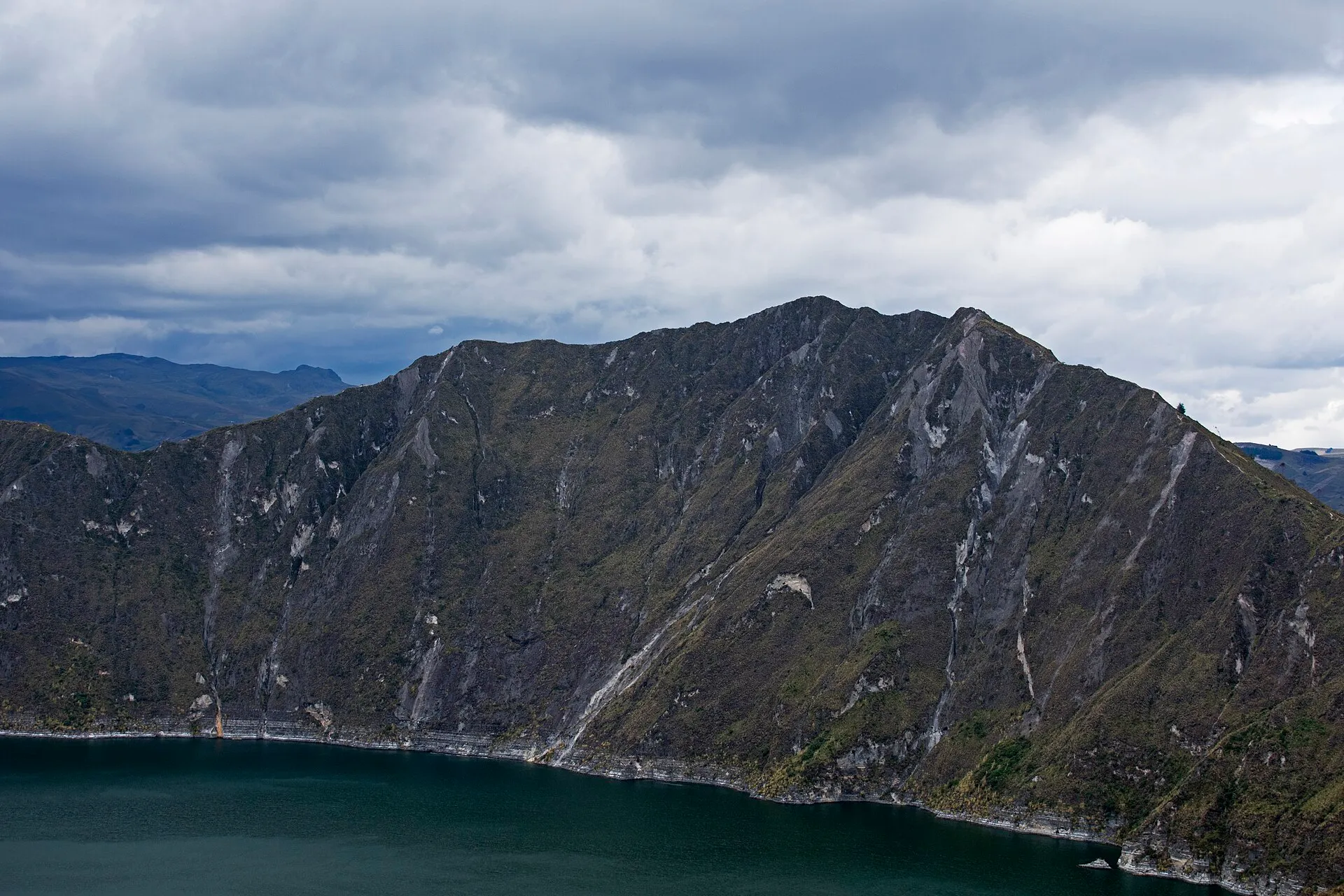
Britannica describes a long dry season from June to September, rains that peak around the equinoxes, and a shorter dry spell, the veranillo, from December through January. Quito’s afternoons still cloud over. Cotopaxi and Quilotoa are clearer when they are clearer, not on a guarantee.
Coast
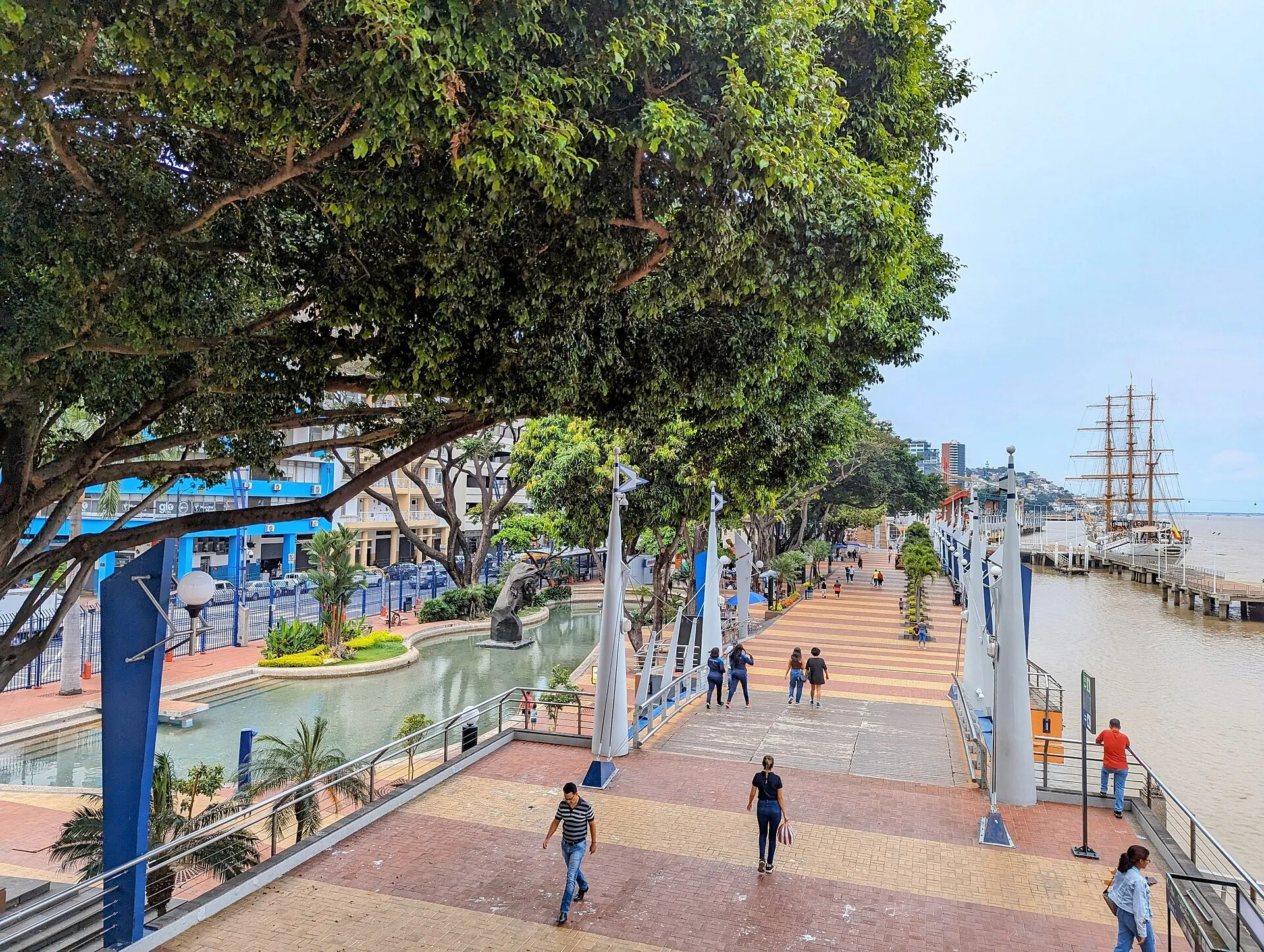
The same source gives the coast a wet season in the first half of the year and a drier second half. The UK FCDO, writing about the country as a whole, says the rainy season usually runs from October to May and can last into June. Heavy rain closes roads. The safety chapter is the other reason to treat a beach month as a decision, not a default.
Amazon
Britannica calls the Oriente’s rain fairly continuous. A lodge week does not wait for a dry month that the climate description does not offer. The choice between Cuyabeno, Yasuní, and Tena is access and advising, not a secret sunny week.
Galápagos
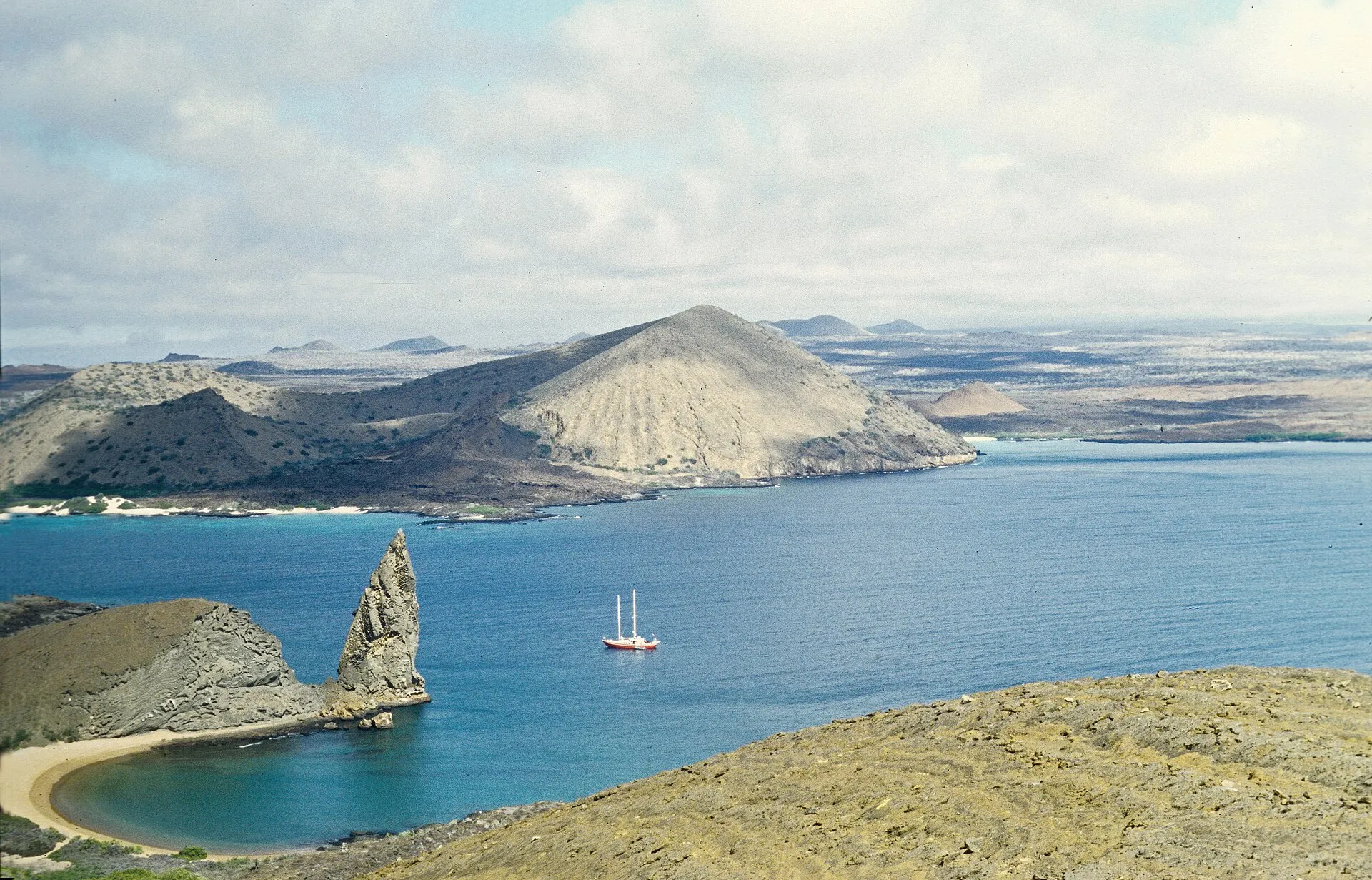
Galápagos Conservancy describes two seasons: warm and wetter from December to May, then the cooler garúa season from June to November, with mist on the highlands. Wildlife does not leave. The islands chapter is the rest of the plan.
Month by month
The blocks below follow those sources. They are not a rainfall table. INAMHI publishes the forecast.
June to September
Sierra: the long dry season. Coast: the drier half of the year. Amazon: still wet. Galápagos: garúa, cooler water, mist above the shore. A highland ten days fits this window.
October and November
FCDO’s country rainy season is underway. Sierra rains build toward the pattern Britannica ties to the equinoxes. Coast is leaving its drier half. Galápagos is still in garúa until December.
December and January
Sierra: the shorter veranillo. Coast: into the wetter first half. Galápagos: the warm season starts. This is also when many people try to add the islands to a two-week trip.
February to May
Sierra: the wetter stretch around the March equinox. Coast: the wet half. Galápagos: warm season through May, then garúa. Roads in the mountains are the thing that fails, not the wildlife.
El Niño, 2026–2027
The FCDO’s October 2, 2026 update says Ecuadorian authorities have issued a red alert ahead of a forecast El Niño. The expectation on that page is unusually heavy rain, possible flooding and landslides, and higher temperatures. Britannica’s climate entry describes the same kind of event: warm water off the coast, and downpours that can reach the highlands. A red alert is not a cancelled country. It is a reason to read the government’s El Niño page, in Spanish, and to keep a highland day loose.
Landslides are ordinary even in a normal rainy season. The FCDO says heavy rain frequently closes roads.
Sources: Britannica, Ecuador climate · Galápagos Conservancy, seasons · FCDO, safety and security · INAMHI, climate. Rewritten here. No rainfall totals are printed, because a normal is not a forecast.