A partner
Airalo
An eSIM for Ecuador, ready before you land.
The islands
A national park that happens to be a province. Go with rules, not a wish list.
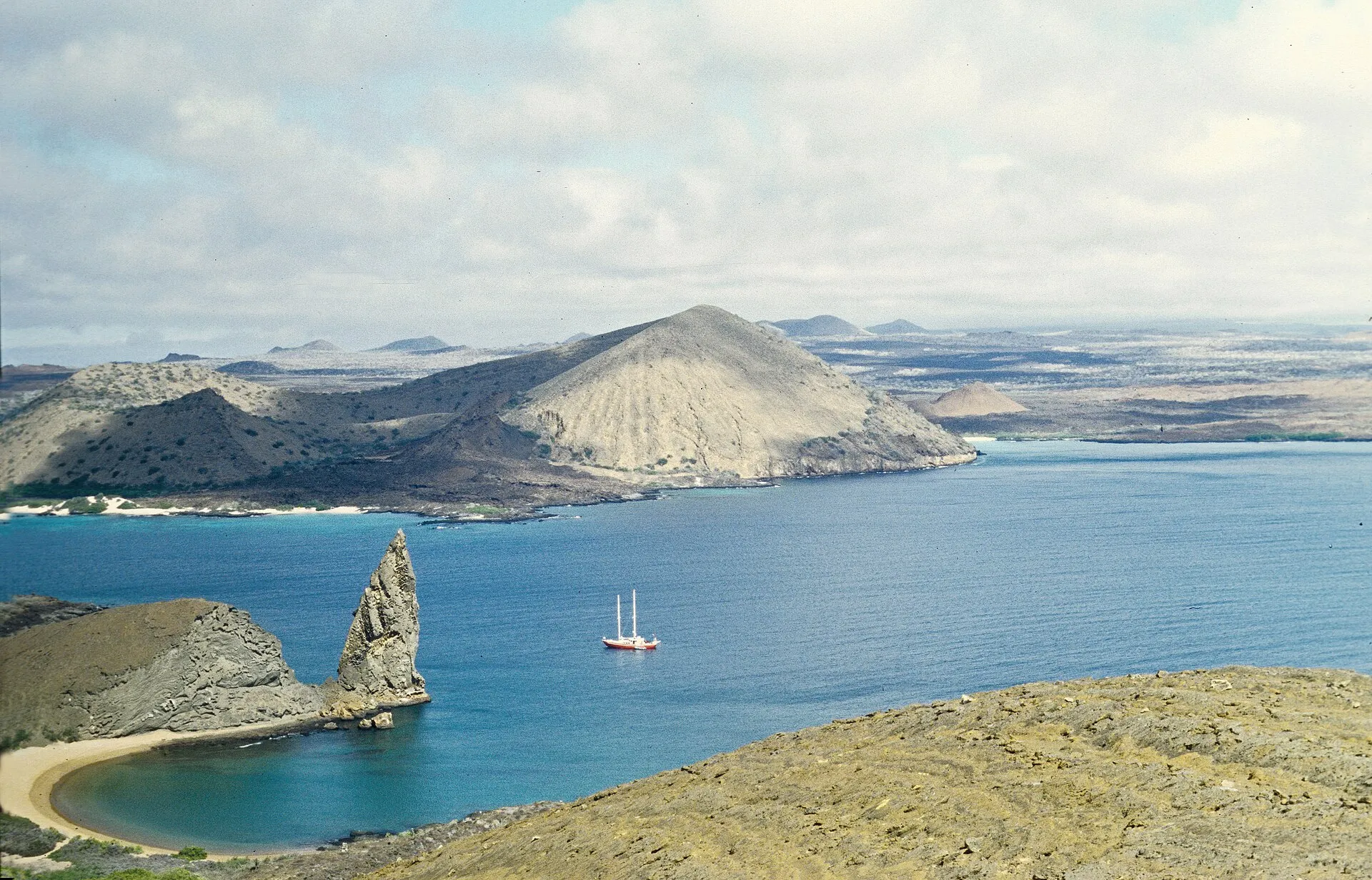
The Galápagos sit about a thousand kilometers west of the mainland. They are a province of Ecuador and a national park. Charles Darwin landed in 1835. The wildlife has not become tame for visitors. The rules exist so it stays that way.
Most trips use three islands. Santa Cruz, with Puerto Ayora, is the busiest base. San Cristóbal, with Puerto Baquerizo Moreno, has the provincial capital. Isabela, with Puerto Villamil, is slower and wilder.
Flights leave Quito and Guayaquil for Baltra, the airport that serves Santa Cruz, or for San Cristóbal. You will want a flight that connects on the same day. Missing it is an expensive kind of quiet.
A cruise moves you between islands with a naturalist guide. A land-based trip means hotels, day boats, and more time in town. Neither is automatically better. Cruises see more remote sites. Land trips let you set the pace. Read where to stay before you choose a style.
The Galápagos National Park publishes an entrance fee. Its 2026 rate card lists US$200 for foreign tourists over 12. The park sets the figure, and it can change. Confirm it before you buy flights. A separate transit-control card is required for the flight. There is also a biosecurity check: do not bring soil, seeds, or untreated food.
The islands are the expensive chapter of an otherwise gentle country. Boats, guides, and imported supplies cost what isolation costs. Budget for the structure of the trip, not for a bargain.
Stay on marked trails. Keep the required distance from animals. Do not touch, feed, or chase them. A blue-footed booby that ignores you is a success, not a photo failure. Drones need permission. Flash is a bad idea at close range.
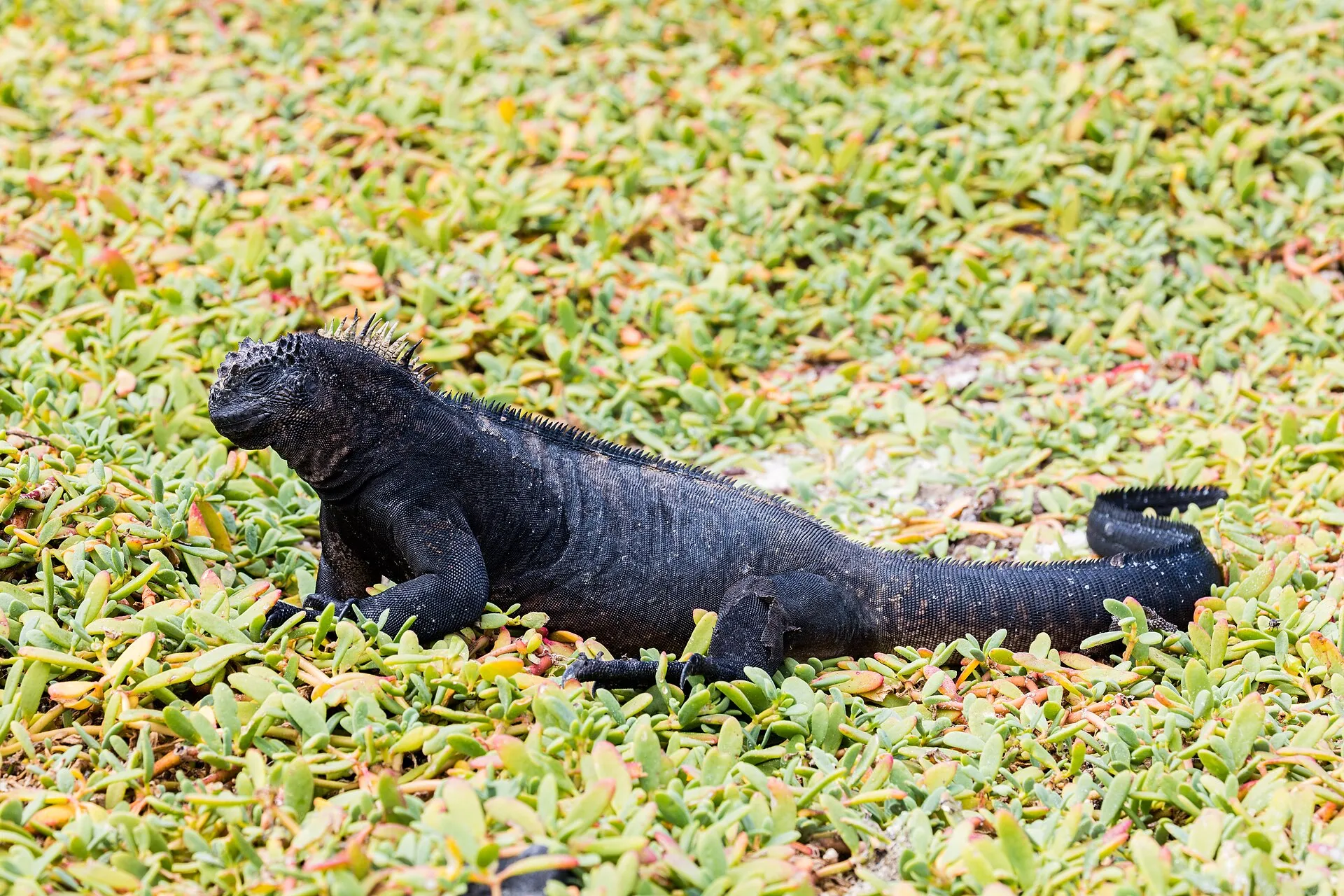
The wildlife chapter covers what you are likely to see. Giant tortoises, marine iguanas, and boobies are present year-round. Sea lions occupy the docks as if they pay rent.
December to May is warmer and wetter. June to November is cooler, with the mist called garúa, and often better underwater visibility. Wildlife does not take the season off. Match the months to what you care about, then let a licensed operator tell you which sites are open. Sites close. That is the park working.
Plan your trip
A short, practical list. Nothing here is required.
A partner
An eSIM for Ecuador, ready before you land.
A partner
Galápagos day trips and island tours.
“A partner” is a sponsored link. “A resource” goes to that company’s own homepage. UIO Transfers belongs to the owner of this site. Affiliate disclosure.
Wildlife
Boobies, tortoises, hummingbirds, and a forest that does not need your crumbs.
The Pacific
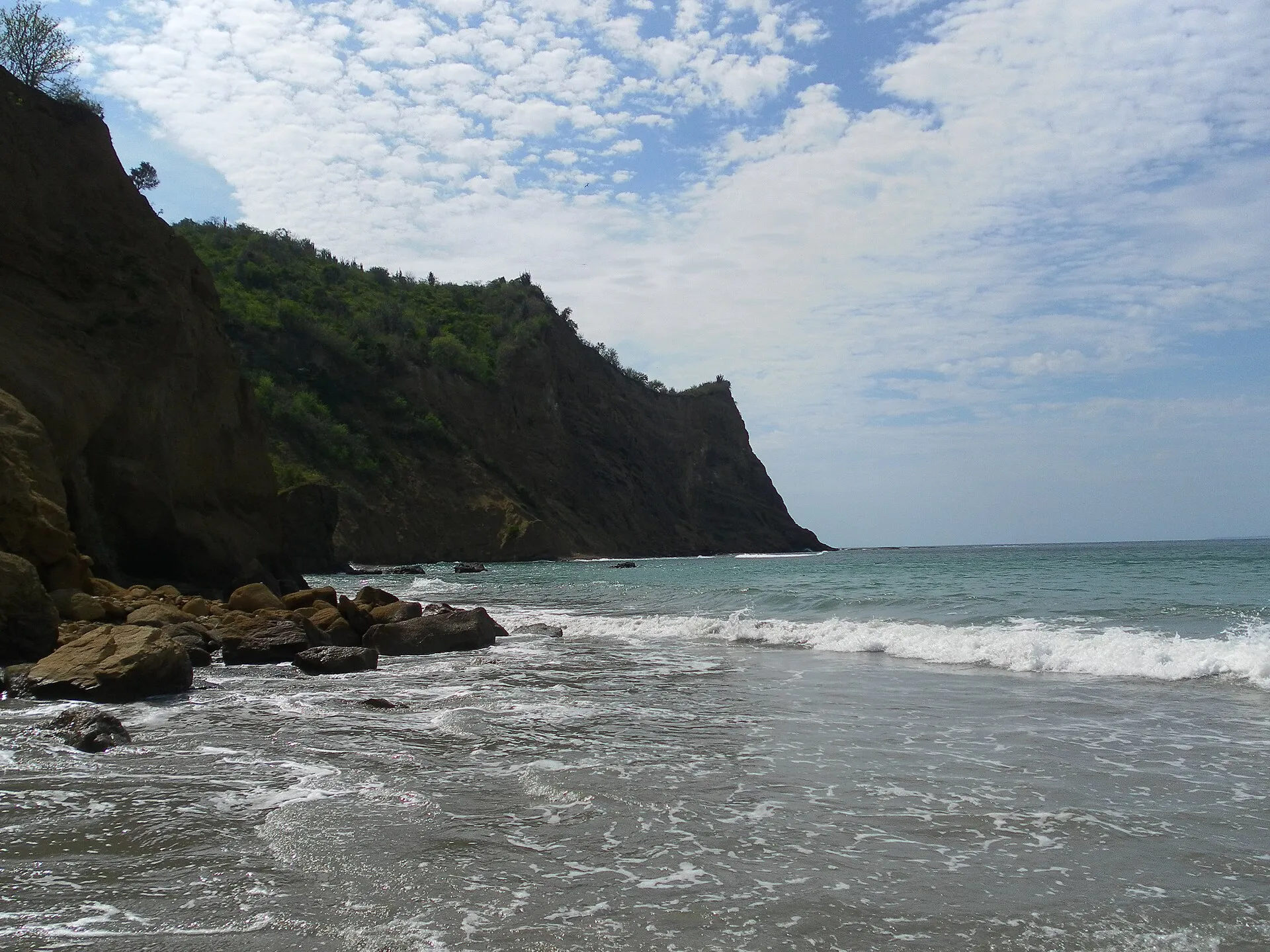
A warm shore, a surf town, and humpback whales from roughly June to September.
Rooms
A few houses and lodges with a reputation. Style first, then the reservation.