The owner’s company
UIO Transfers
A private car from Mariscal Sucre Airport. Not a third-party ad.
The air
The flight lands higher than the CDC’s line. The first day is the plan.
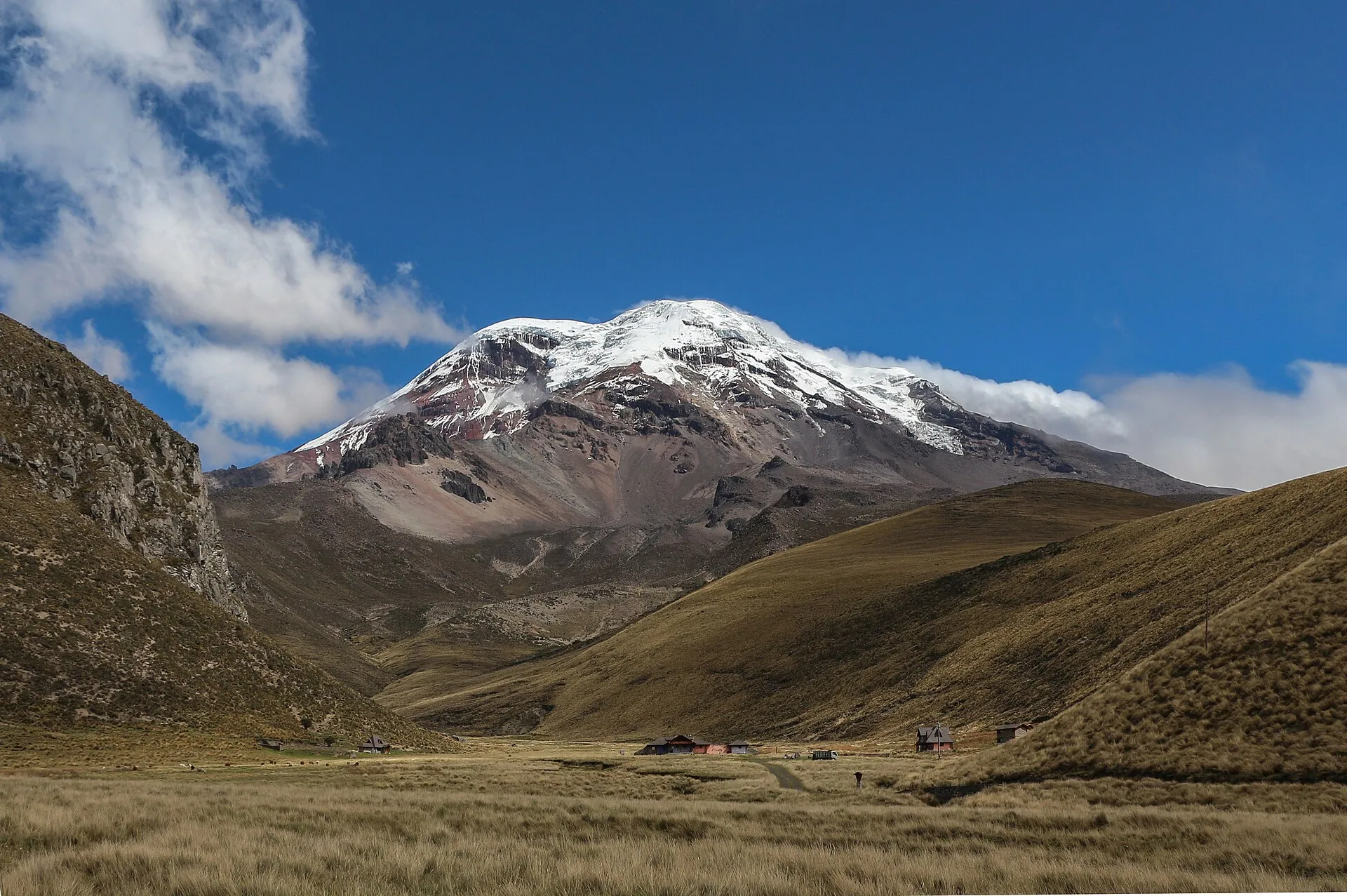
This is not medical advice. It is the CDC’s high-altitude page, set next to the height of the city, so the first afternoon has a shape.
2,850 mQuito, about 9,350 feet. Above the CDC line of 8,000 feet (2,750 m).
48 hoursCDC: no alcohol and no heavy exercise for at least that long after you arrive above 8,000 feet.
4,050 mCruz Loma, the cable-car station. The FCDO warns of hypothermia on the route toward Rucu Pichincha.
The CDC calls acute mountain sickness the mild form. The symptoms it lists are headache, tiredness, loss of appetite, nausea, and vomiting. It says mild cases often ease within a couple of days, and that a pain reliever is one way people treat the headache. It also says not to go higher until the symptoms have gone, and to descend if symptoms worsen while you are resting.
Two rarer forms, which the CDC says can kill, are high-altitude cerebral edema (extreme fatigue, drowsiness, confusion, loss of coordination) and high-altitude pulmonary edema (shortness of breath, weakness, cough). The instruction in both cases is to get lower, immediately. Oxygen and a clinic are the city’s job, not a blog’s.
People with heart or lung disease, diabetes, or pregnancy should read the CDC’s note on preexisting conditions and talk to a doctor who knows this subject. The page says some illnesses, including sickle cell anemia and severe pulmonary hypertension, mean not going high at all.
The CDC’s prevention line is to avoid going from low elevation to above 9,000 feet in a single day when you can. A flight into Quito does that anyway. What you can still do is refuse the heroic afternoon.
Sleep in the city. Walk the old town or a flat park. Leave Cotopaxi and the cable car for a later day. The José Ribas refuge on Cotopaxi sits near 4,800 meters. Cruz Loma, where the TelefériQo arrives, is 4,050 meters, and the FCDO notes deaths from hypothermia on the way toward Rucu Pichincha. Neither is a first-night plan.
Drink water. Eat. The ten-day itinerary is built around that first quiet day. The ride in from the airport is its own chapter, so you are not negotiating a taxi while your head is new. A car booked ahead, through UIO Transfers, the owner’s own airport-transfer company, is the version that is settled before you land.
Cuenca, near 2,500 meters, is lower. Mindo’s cloud forest is lower still. If Quito feels wrong and rest does not help, going down is the CDC’s answer, not another coffee. The neighborhoods do not differ enough in height to treat one of them as a cure. Cumbayá is in the valley and a bit lower. It is still a high city.
Sources: CDC, travel to high altitudes · FCDO, Cruz Loma at 4,050 m. Quito’s height is the figure used throughout this guide, about 2,850 meters. Rewritten here. Your doctor outranks this page.
Plan your trip
A short, practical list. Nothing here is required.
The owner’s company
A private car from Mariscal Sucre Airport. Not a third-party ad.
A partner
An eSIM for Ecuador, ready before you land.
A partner
Quito city tours, from the old town outward.
A partner
Quito tours, from the old town outward.
“A partner” is a sponsored link. “A resource” goes to that company’s own homepage. UIO Transfers belongs to the owner of this site. Affiliate disclosure.
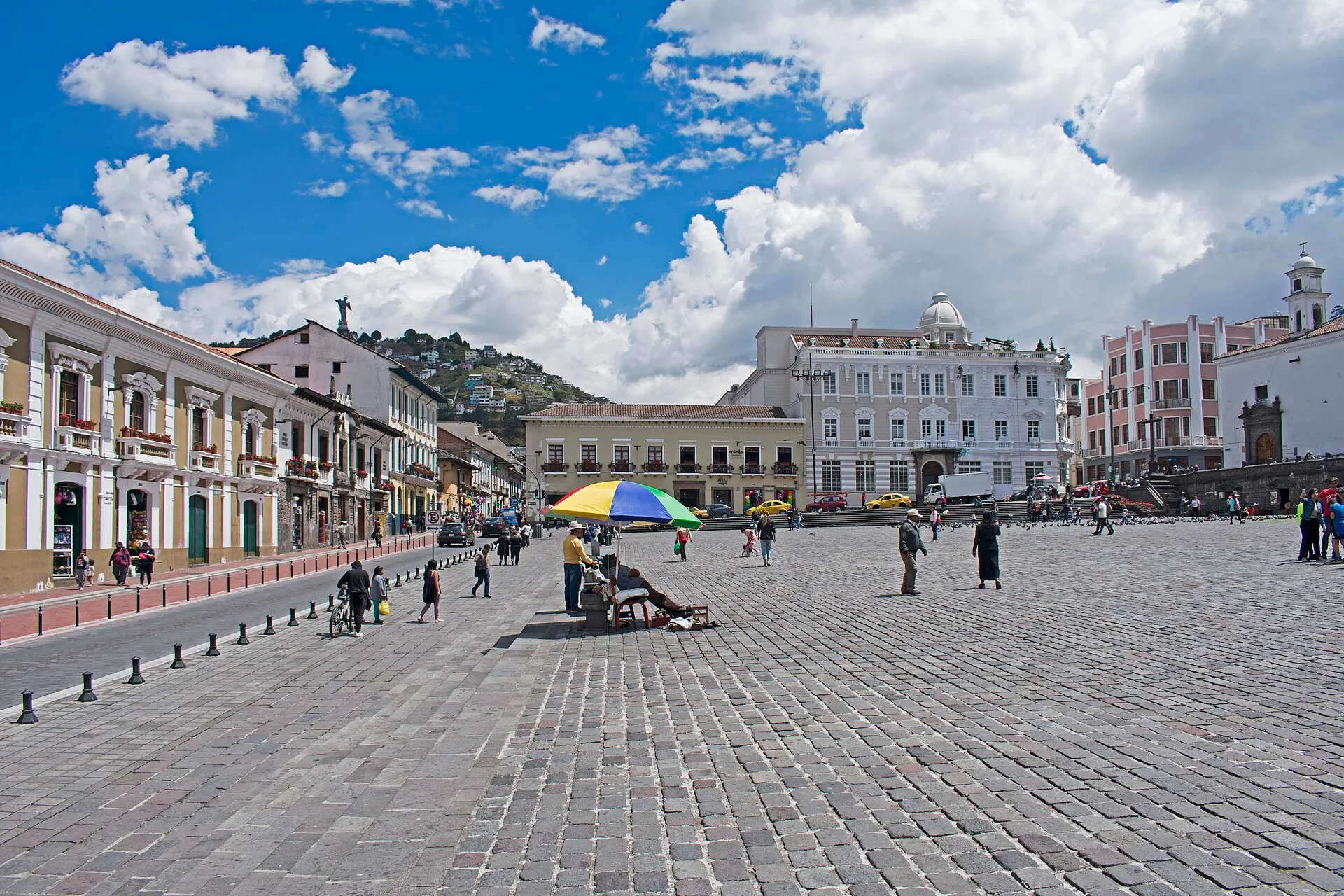
The capital
A UNESCO old town, a working city, and air thin enough to slow the first day down.
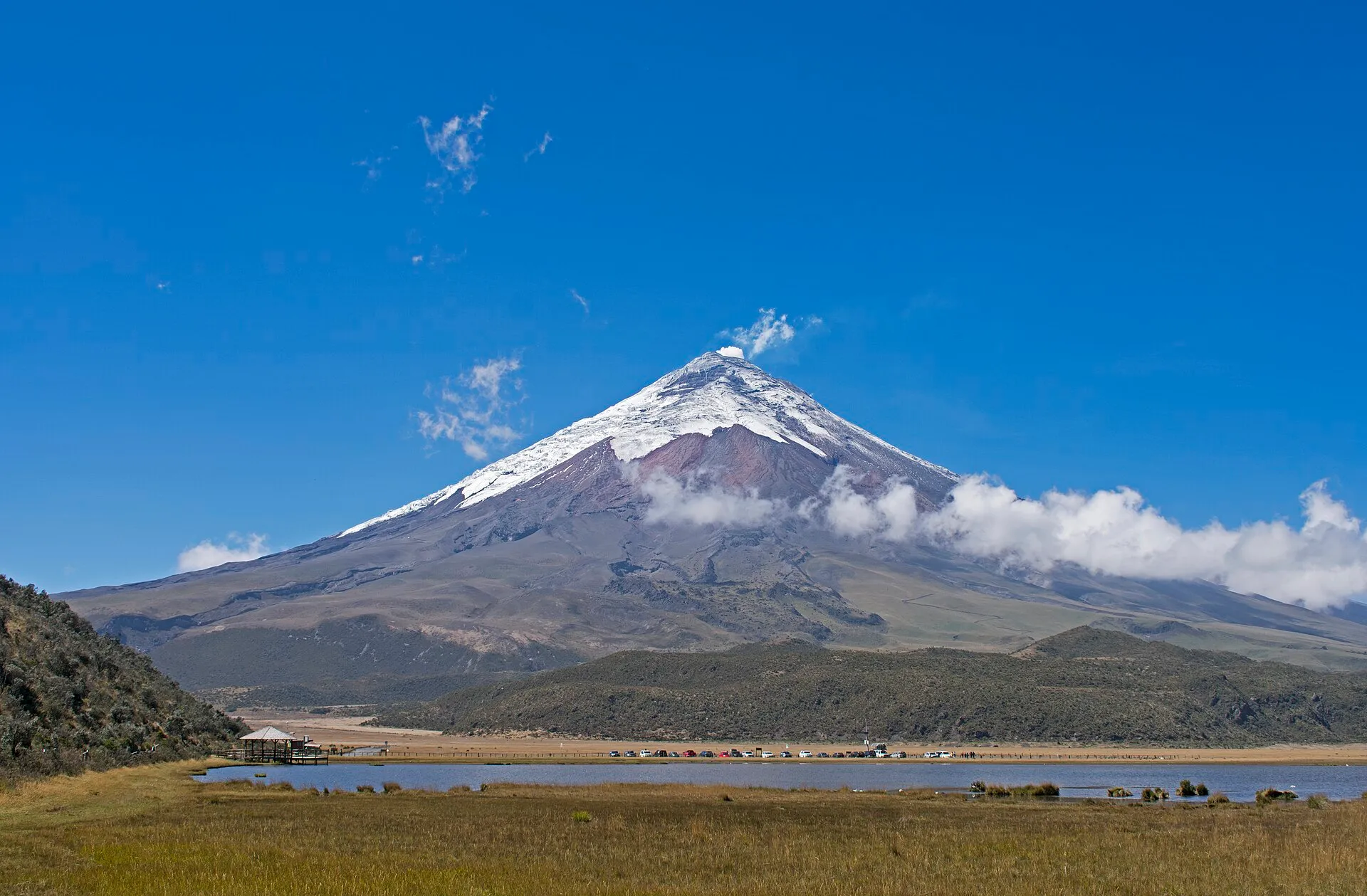
Avenue of the Volcanoes
One of the world’s great volcanic profiles. Most people should stop well below the ice.
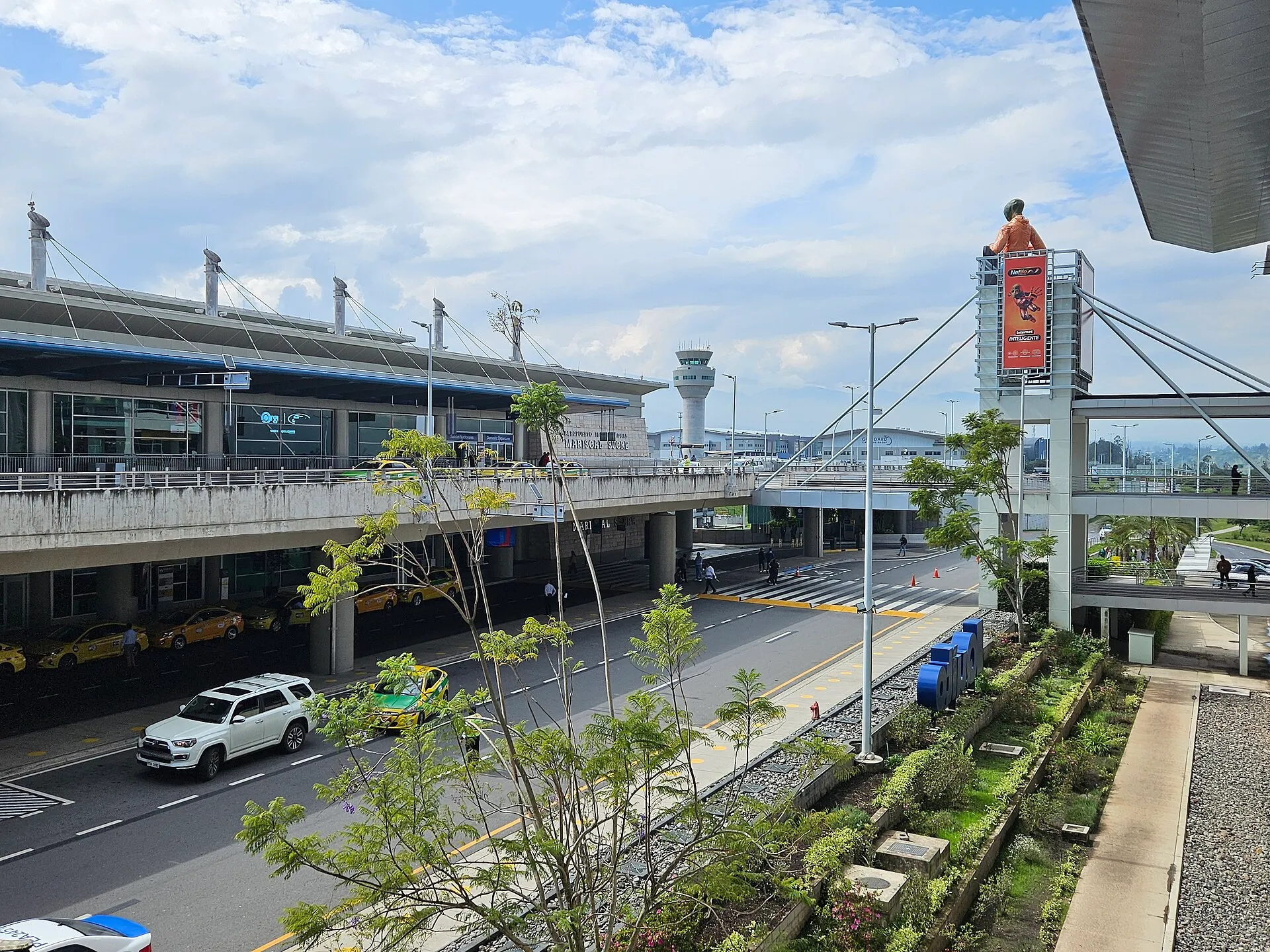
The landing
Three ways off the curb. The fare belongs to the ride you book, not to this page.