A partner
Airalo
An eSIM for Ecuador, ready before you land.
The south
Marble churches, a river path, and a climate people describe as permanent spring.
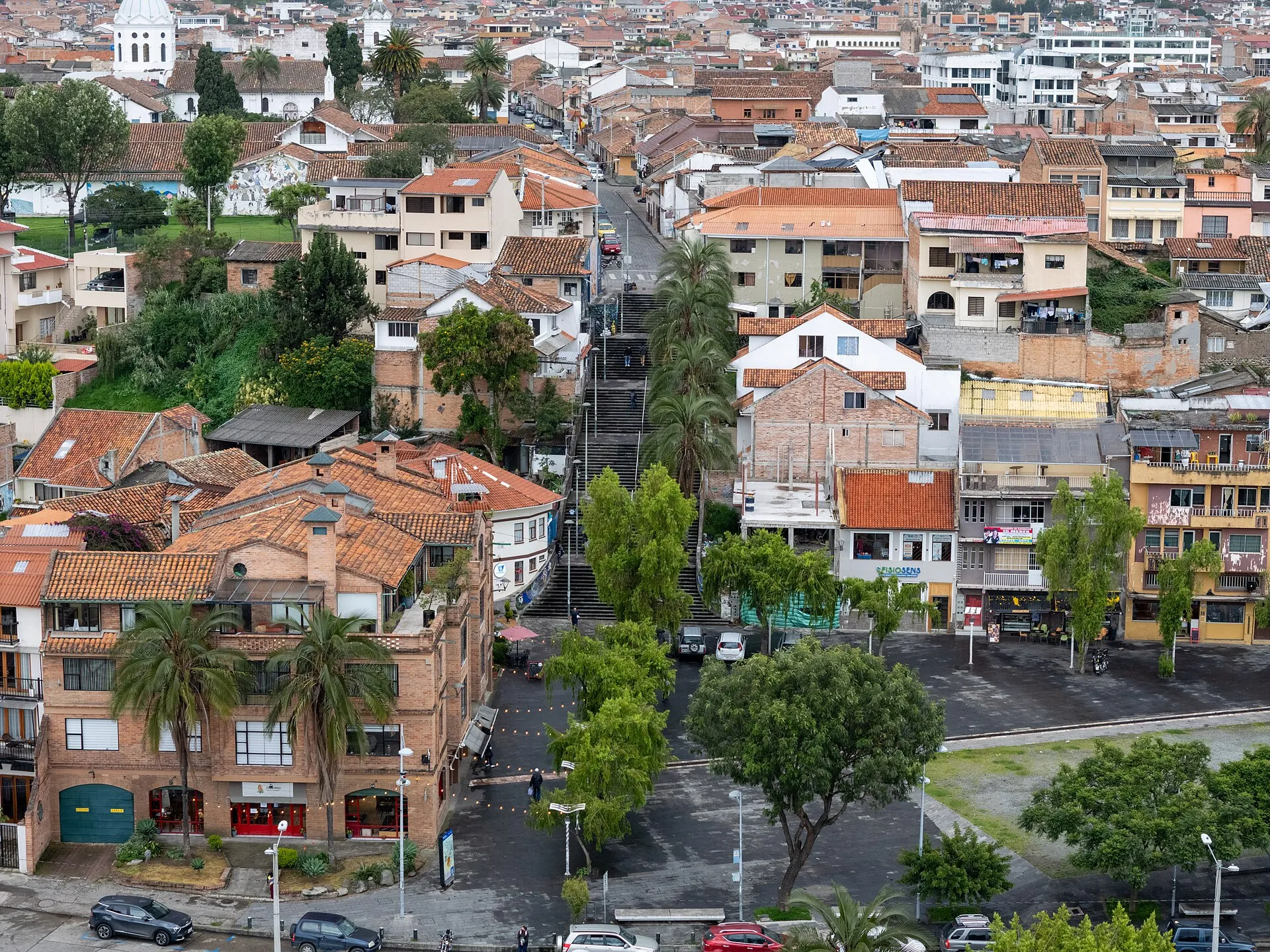
Cuenca, officially Santa Ana de los Ríos de Cuenca, sits near 2,500 meters in the southern sierra. Its historic center joined the UNESCO list in 1999. Travelers come for the architecture. A large number of foreign residents came and stayed.
Parque Calderón is the living room. On one side is the Old Cathedral, El Sagrario. Facing it, the New Cathedral, the Catedral de la Inmaculada Concepción, wears blue domes you can see from the hills. The scale is generous without being grand in the way of a capital.
South of the square the land falls away to the Río Tomebamba. El Barranco, the cliff path, is the walk that makes the city make sense: tiled roofs, laundry lines, and the sound of the river. Cross into the newer streets below and the pace changes.
Flower sellers and the old market halls are part of the same center. Go in the morning.
The hat sold to the world as a Panama hat is Ecuadorian, woven from toquilla palm. Cuenca is a center of the trade; Montecristi, on the coast, is the other. A workshop visit is worth more than a shop window. Quality varies from a souvenir to a textile that takes months.
West of town, El Cajas National Park is a high plateau of lakes and cloud. It is a short drive, and it feels like another country. Trails are exposed. Take a layer even when Cuenca is warm.
North of the city, Ingapirca is the best-preserved Inca complex in the country, in Cañar province. It is a cultural day, not a wilderness one. The hiking chapter puts it in context.
Cuenca is the city most often named by people from the United States who move to Ecuador. The reasons are practical: a walkable center, private clinics, a mild climate, and a foreign community large enough to be useful and small enough to leave.
It is still an Ecuadorian city. Spanish is the language of leases, clinics, and the market. Read the renting and healthcare chapters before you treat a pleasant week as a plan.
Plan your trip
A short, practical list. Nothing here is required.
A partner
An eSIM for Ecuador, ready before you land.
A partner
Compare a car for the highlands or the coast.
A partner
Tours and tickets across Ecuador.
“A partner” is a sponsored link. “A resource” goes to that company’s own homepage. UIO Transfers belongs to the owner of this site. Affiliate disclosure.
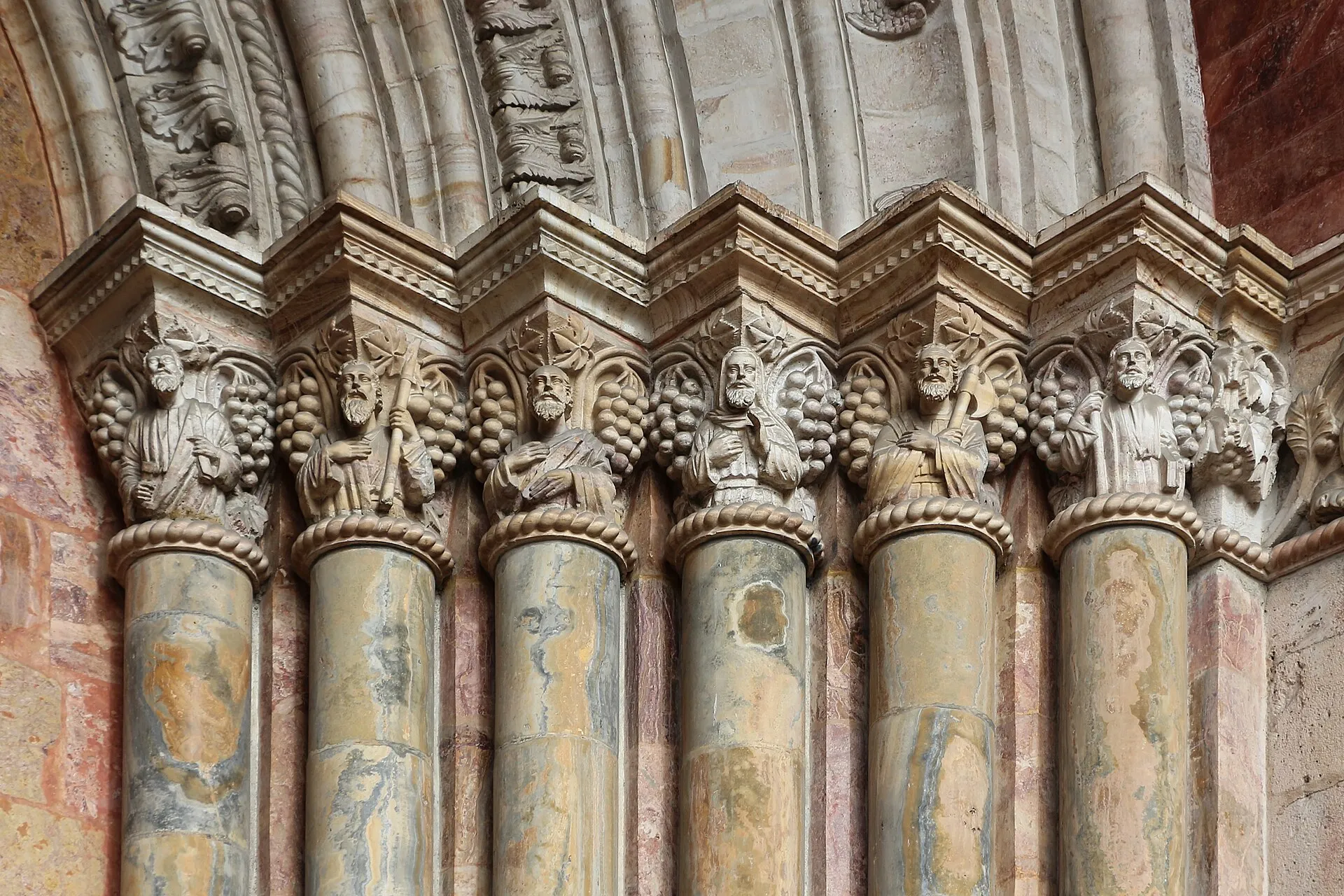
Cities
Cuenca is the famous answer. It is not the only climate.
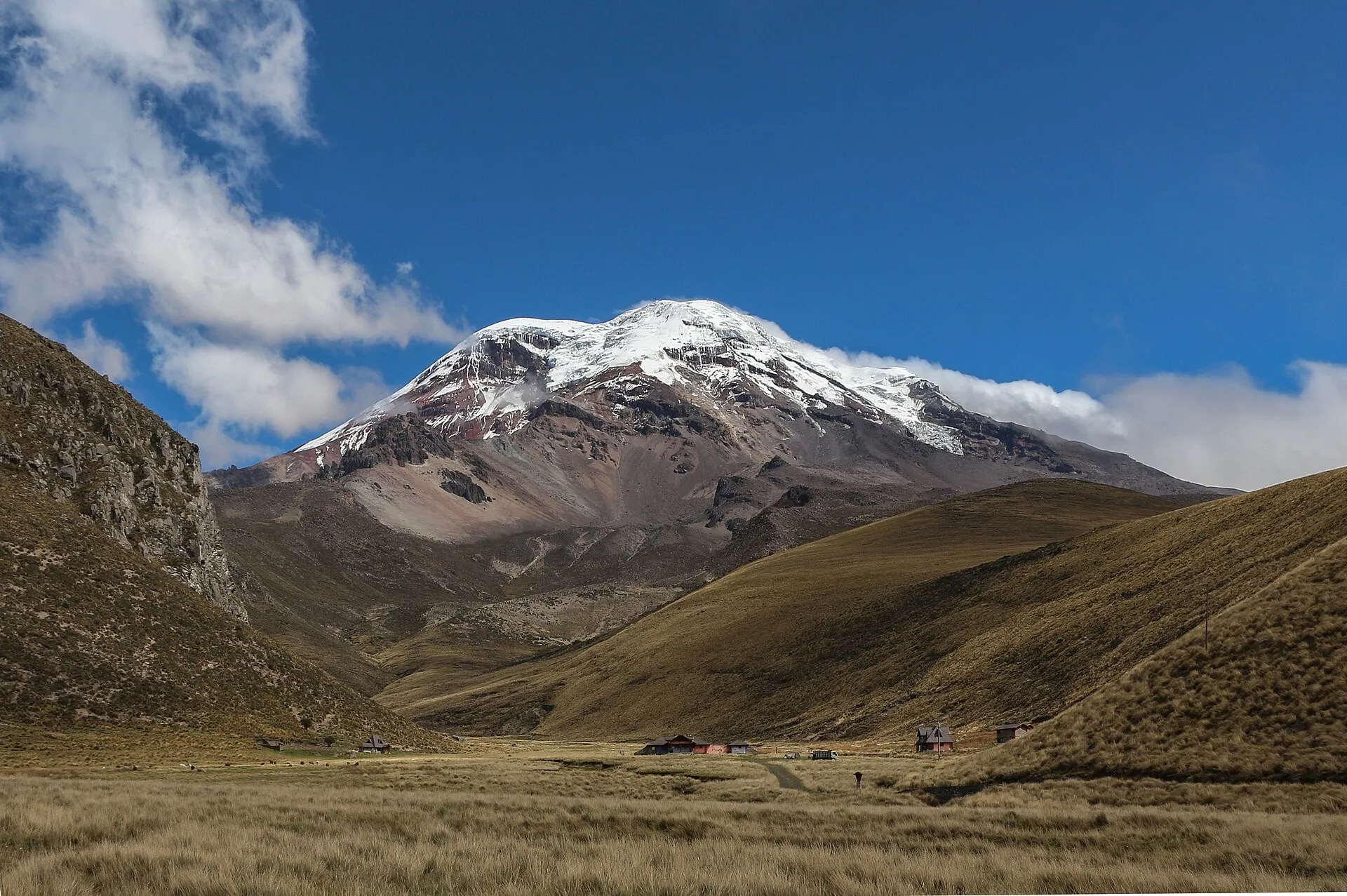
On foot
High trails, a crater loop, and two summits you should not improvise.
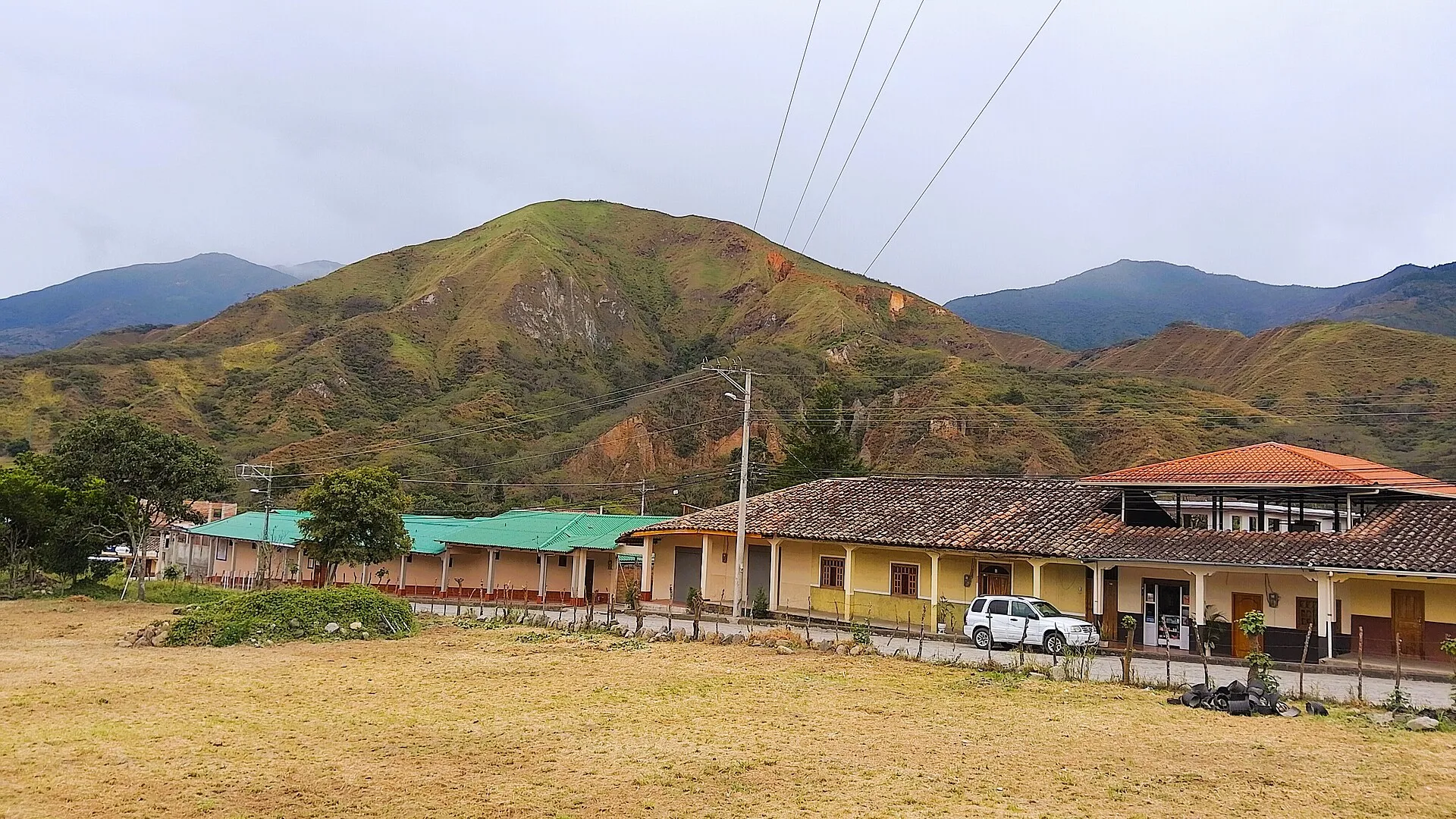
Money
Cheaper than a large American city is not the same as cheap. Here is the distinction.