A resource
Wise
A calmer way to move dollars. This is the company’s own site.
Banking
The currency is already yours. The account is not.
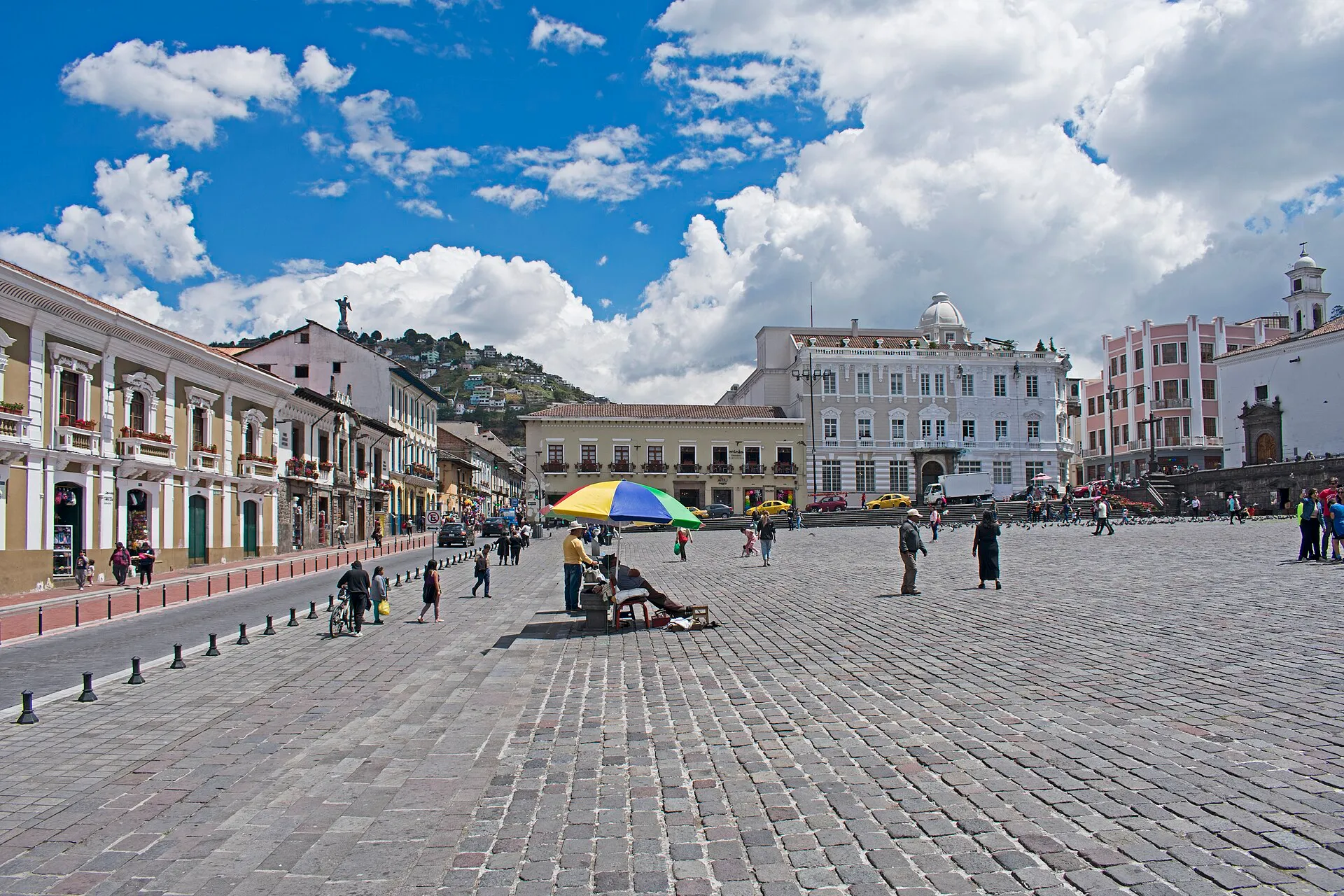
Ecuador adopted the US dollar in 2000. Visitors do not change money. Coins include familiar US pieces and Ecuadorian centavo coins in the same sizes. Bills are US bills. Bring some smaller notes. A fifty can be an inconvenience at a market stall.
ATMs are common in cities and scarce on back roads. Tell your bank you are traveling. Withdrawal limits are often modest, so people take more than one transaction and pay more than one fee. Credit cards work in hotels, supermarkets, and larger restaurants. The Saturday market in Otavalo is still a cash place.
Supermaxi is the supermarket chain you will see in cities. It is not a secret. It is simply where imported goods and local ones share an aisle, at city prices.
Major banks include Banco Pichincha, Banco Guayaquil, Produbanco, and Banco del Pacífico. A local account usually requires residency and a cédula, the national identity card, plus proof of address. Requirements differ by bank and by year. A tourist should not build a plan that depends on opening one in the first week.
Keep your US account. Use it for cards and for savings you do not need in cash. International wires are possible and often clumsy. A transfer service is what many residents use for the monthly move of living expenses. Compare the fee yourself.
Counterfeits exist, as they do anywhere dollars circulate. Glance at larger bills. Do not carry a month of cash because an ATM felt far away. The cost of living chapter explains where money goes. The renting chapter is the warning about deposits: never wire one for a home you have not seen.
Plan your trip
A short, practical list. Nothing here is required.
A resource
A calmer way to move dollars. This is the company’s own site.
“A partner” is a sponsored link. “A resource” goes to that company’s own homepage. UIO Transfers belongs to the owner of this site. Affiliate disclosure.
Money
Cheaper than a large American city is not the same as cheap. Here is the distinction.

A lease
See the apartment. Read the contract. Then talk about a year.

Paperwork
The categories that matter, and the official pages that outrank this one.